

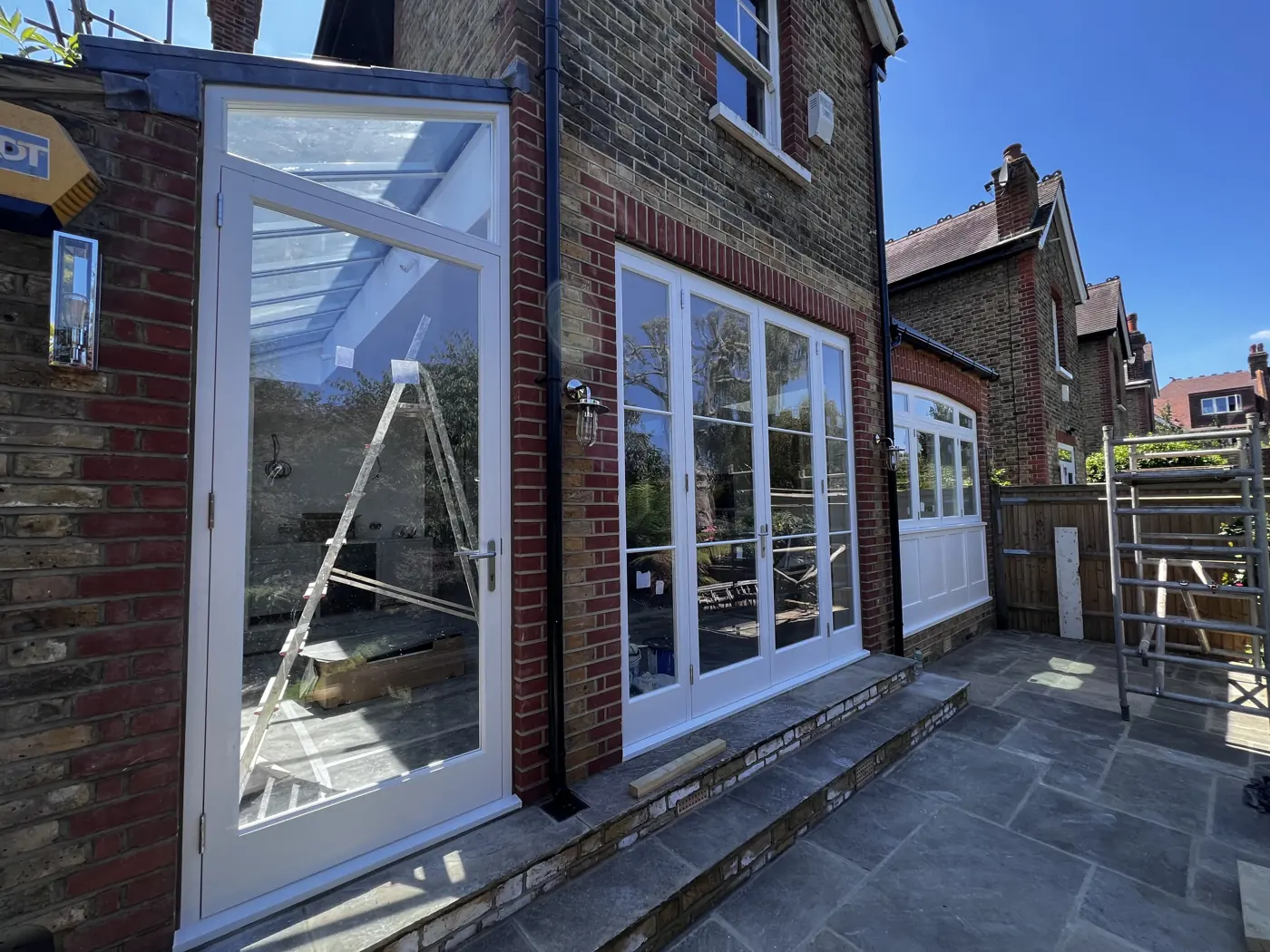
You can extend and renovate a house in a conservation area, but you have fewer permitted development rights. In a conservation area, all side extensions, all rear extensions of more than one storey, loft conversions that enlarge the roof, external cladding and outbuildings at the side of the house need planning permission, and the larger prior approval rear extensions are not available. Councils can also use Article 4 directions to bring windows, doors, roofs and front boundaries under control. Good design that respects the street is the key to approval.

Key takeaways
- A conservation area is an area the council has designated for its special architectural or historic interest.
- Permitted development is reduced, not removed. A modest single-storey rear extension within the standard limits can still be permitted development unless an Article 4 direction says otherwise.
- Article 4 directions vary street by street. Always check your exact address.
- Demolishing most buildings in a conservation area needs planning permission, and works to trees need six weeks’ notice.
- Listed buildings need listed building consent for most alterations, inside and out.
01What is a conservation area?
A conservation area is a place the local council has designated because of its special architectural or historic interest, with the aim of preserving or enhancing its character. Much of south-west London’s Georgian, Victorian and Edwardian housing sits inside one. Being in a conservation area does not mean you cannot change your home. It means changes visible from the public realm are controlled more closely.
02Conservation areas in the places we work
| Area | Council | Examples |
|---|---|---|
| Kingston upon Thames and Surbiton | Royal Borough of Kingston upon Thames | 26 conservation areas in the borough, including Kingston Old Town, Fairfield/Knight’s Park, Liverpool Road, Grove Crescent, Park Road, Richmond Road and Coombe Hill |
| Richmond and Barnes | London Borough of Richmond upon Thames | Extensive coverage, including Barnes Green and much of central Richmond |
| Chelsea | Royal Borough of Kensington and Chelsea | Large parts of the borough, with Article 4 directions in conservation areas |
| Fulham | London Borough of Hammersmith and Fulham | Many conservation areas across Victorian terraced streets |
| Putney and Clapham | Wandsworth (Putney), Lambeth or Wandsworth (Clapham) | Several conservation areas; Lambeth publishes permitted development restrictions online |
| Wimbledon | London Borough of Merton | Several conservation areas across Wimbledon |
Swipe the table sideways to see every column.
First step: look up your postcode on the council’s conservation area map and check for any Article 4 direction.
03What needs planning permission in a conservation area?
| Work | Outside a conservation area | Inside a conservation area |
|---|---|---|
| Single-storey rear extension within 3 m (semi or terrace) or 4 m (detached) | Usually permitted development | Usually permitted development, unless an Article 4 direction applies |
| Larger single-storey rear extension via prior approval (6 m or 8 m) | Available | Not available |
| Side extension | Permitted development within limits | Planning permission needed |
| Two-storey rear extension | Permitted development within limits | Planning permission needed |
| Loft conversion enlarging the roof (dormer, hip-to-gable) | Often permitted development | Planning permission needed |
| Rooflights | Often permitted development | Often permitted development on rear slopes; check Article 4 |
| External cladding (render, timber, stone) | Permitted development if similar appearance | Planning permission needed |
| Outbuilding at the side of the house | Permitted development within limits | Planning permission needed |
| Replacement windows and doors | Permitted development if similar appearance | Permitted development unless an Article 4 direction applies |
| Demolishing a building or most structures | Often permitted | Planning permission usually needed |
| Works to trees | No notice unless protected | Six weeks’ notice to the council for most trees |
Swipe the table sideways to see every column.
04What is an Article 4 direction?
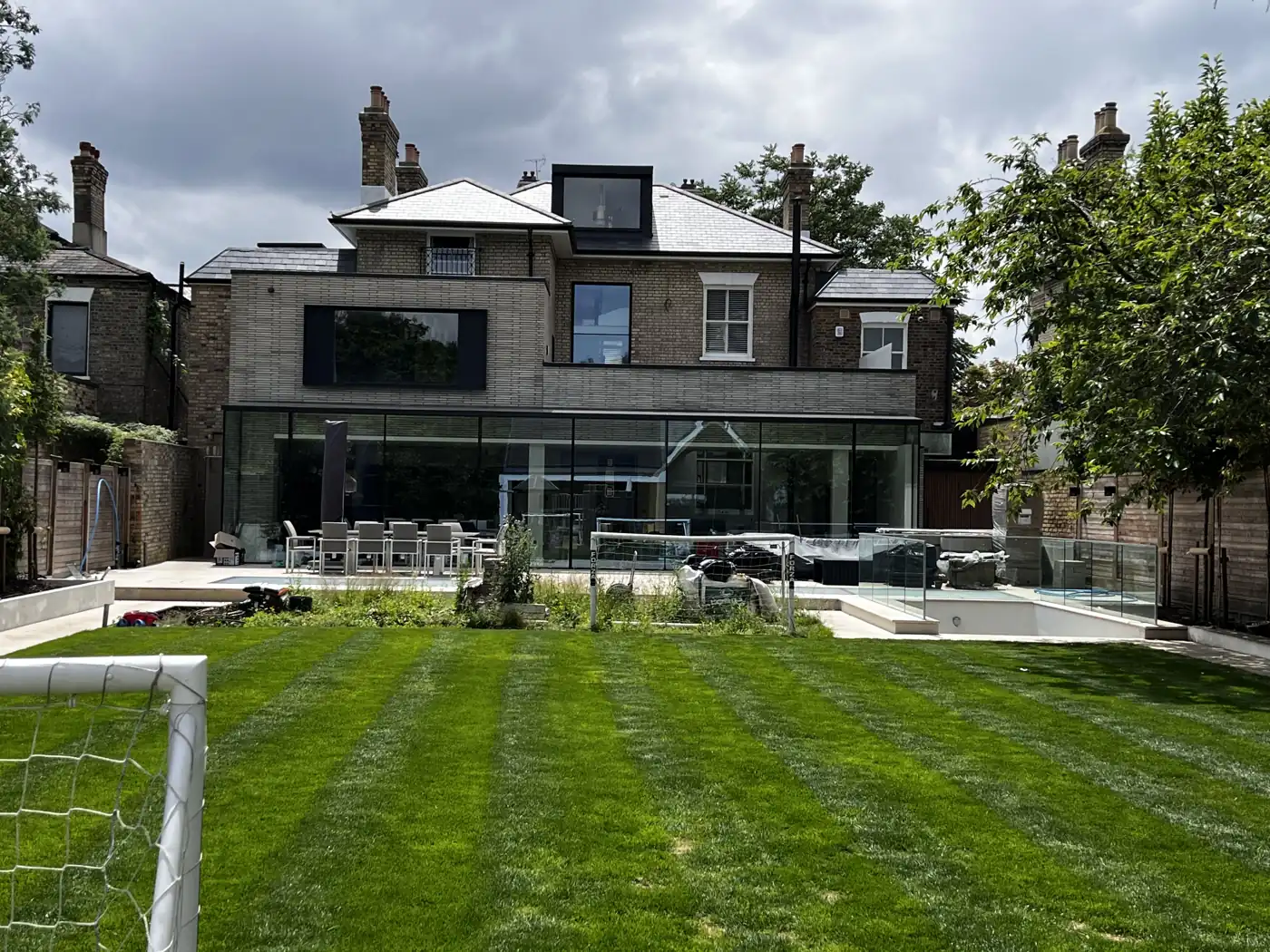
An Article 4 direction is an order made by the council that removes specific permitted development rights in a defined area. In conservation areas they commonly cover:
- replacing front windows and doors;
- changing roof coverings or adding front rooflights;
- painting or rendering brickwork;
- removing front boundary walls or paving front gardens.
Article 4 directions are common in Chelsea and Fulham and exist in many other conservation areas. Because they can apply to individual streets, two houses a few hundred metres apart can have different rules.
05How to get approval for an extension in a conservation area
Councils approve well-designed extensions in conservation areas every week. What they look for:
- Subordinate scale. The extension should be clearly secondary to the original house.
- Respect for the rear and side elevations, especially where they are visible from the street.
- Matching or high-quality materials. London stock brick, slate, timber sash windows or carefully detailed contemporary glazing.
- Consistent rooflines. Dormers and mansards that follow an established pattern in the terrace are more likely to be approved.
- A heritage statement explaining how the design preserves or enhances the area.
A pre-application enquiry to the council can test a design before a full application. Prohaus works with professional architects and designers who prepare planning drawings and heritage statements through our planning and design service.
Example: a period extension in Kingston
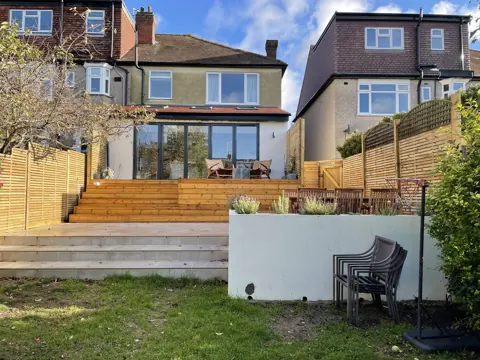
Our Staunton Road project in Kingston is a single-storey rear extension to a period house, built in London stock brick with a pitched roof, a vaulted ceiling, rooflights and slim-framed sliding doors. Traditional materials outside and a modern, light-filled space inside is a combination that often suits period streets.
06Windows in conservation areas
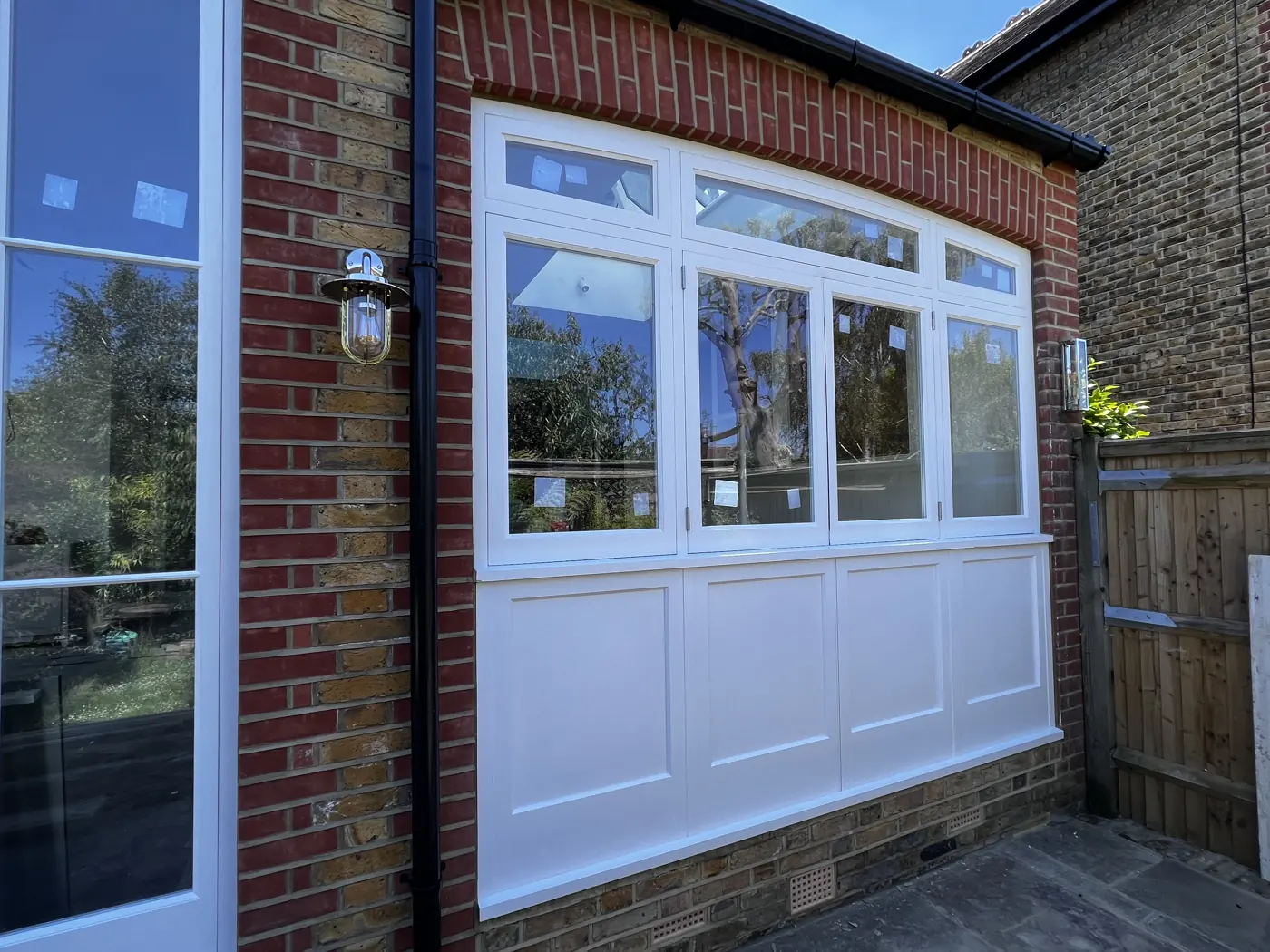
Original timber sash windows are often a defining feature of a conservation area. Where an Article 4 direction controls windows, replacing them with uPVC is unlikely to be approved. Timber sash replacements that match the original pattern, profiles and glazing bars are generally the safer route, and many can now include slim double glazing. See our guide on timber sash windows: repair, upgrade or replace and our timber sash windows service.
07Listed buildings
If your home is listed, listed building consent is needed for any work that affects its character, including many internal changes, in addition to any planning permission. Carrying out work to a listed building without consent is a criminal offence. Always confirm the listing with the council before planning work.
08Building regulations still apply
Conservation status does not change building regulations. Extensions, loft conversions, new windows and structural changes still need to meet them. See our planning permission and building regulations guide.
09Frequently asked questions
Can I build a rear extension in a conservation area without planning permission?
A single-storey rear extension within the standard limits (3 metres on a terraced or semi-detached house, 4 metres on a detached house) can still be permitted development, unless an Article 4 direction or a planning condition has removed the rights. The larger prior approval limits are not available.
Can I replace my windows in a conservation area?
Replacing windows with ones of similar appearance is usually permitted development, unless an Article 4 direction controls windows at your address. If it does, you will need planning permission, and like-for-like timber is generally expected.
Can I do a loft conversion in a conservation area?
Yes, but dormers and hip-to-gable conversions need planning permission there. Rear dormers and rooflights on rear slopes are usually more acceptable than changes visible from the street. See our loft conversion types guide.
Do I need permission to cut down a tree in a conservation area?
For most trees you must give the council six weeks’ written notice before cutting or pruning, so it can decide whether to protect the tree.
Does a conservation area make building work more expensive?
Often a little, because of design and approval time and the use of matching materials. Good early design reduces the risk of a refusal and redesign.
+Keep reading
Services and areas mentioned in this guide:
About Prohaus
Prohaus Ltd is a building company based in Kingston upon Thames, registered in 2015 and built on more than 20 years of residential building experience. We work on period and modern homes across Kingston, Surbiton, Richmond, Barnes, Putney, Fulham, Chelsea, Clapham and Wimbledon. Every project runs under a written contract with a 1-year guarantee.
Talk to us about your period home
Send us your address, photos of the front and rear of the house and an outline of what you would like to do. We will look at the conservation position and the information needed before a quotation.

