

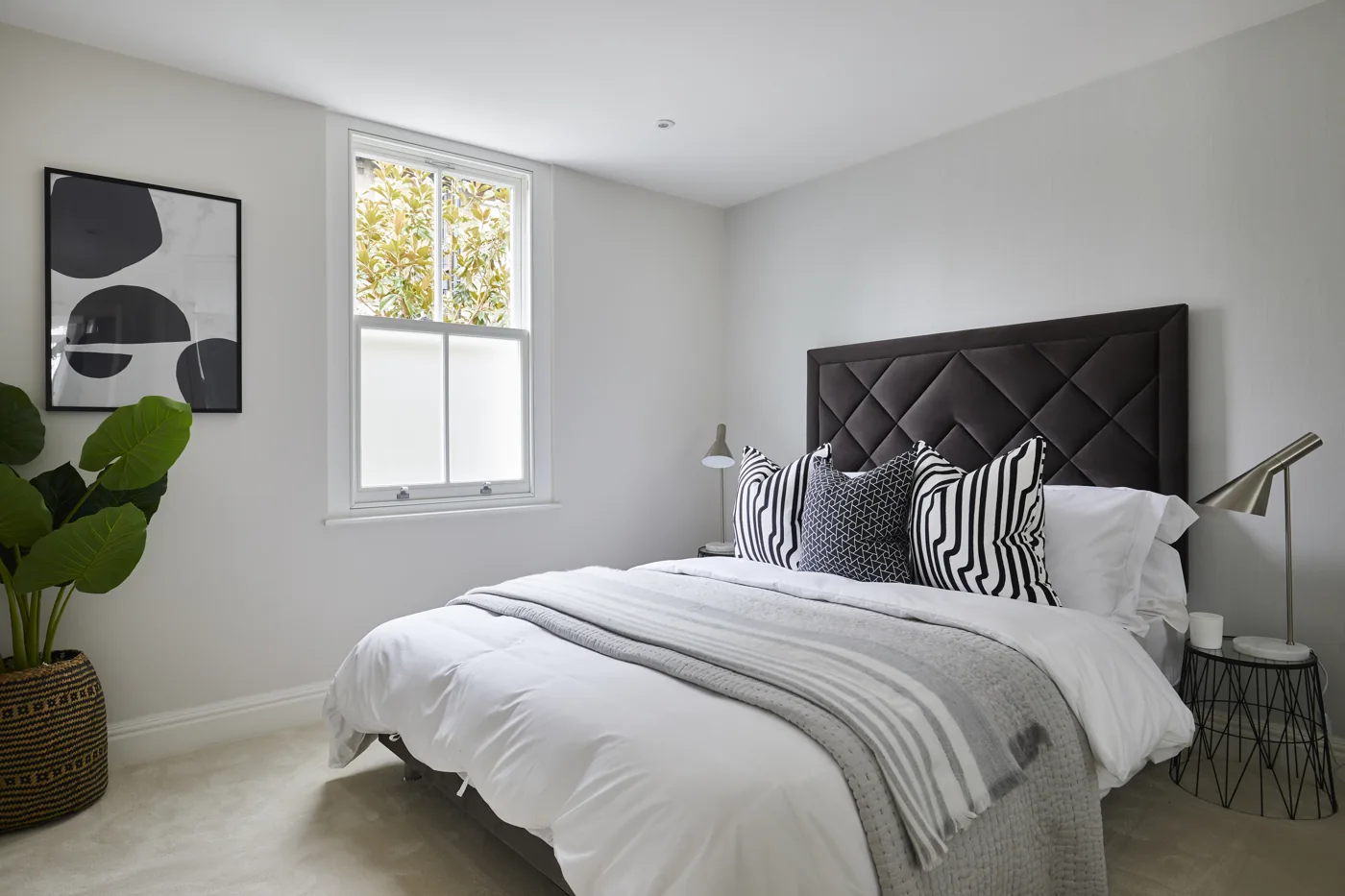
If the frames and most of the timber are sound, repair and draught-proofing is usually the most economical way to keep original sash windows. If the windows are rotten, badly altered or very inefficient, replacement with new hardwood timber sashes that match the original pattern is often the better long-term choice, and many can include slim double glazing. In conservation areas and listed buildings, check with the council before replacing. Replacement windows must also meet building regulations.

Key takeaways
- Sash windows define the character of Victorian, Edwardian and Georgian houses across Richmond, Barnes, Kingston, Putney and Chelsea.
- Rattling, draughts and sticking are usually repairable. Widespread rot and failed joints usually are not.
- New hardwood sash windows can match original proportions and glazing bars while improving insulation.
- Article 4 directions in conservation areas often control front windows, and listed buildings need consent.
- Replacement windows are a “controlled fitting” under building regulations.
01Signs your sash windows need attention
| Problem | Usual cause | Usually repairable? |
|---|---|---|
| Rattling and draughts | Worn beads, no draught seals, gaps between sashes | Yes |
| Sash will not stay up | Broken sash cord or wrong weights | Yes |
| Sticking or painted shut | Layers of paint, swollen timber | Usually |
| Soft timber on the sill or bottom rail | Localised rot | Often, with splicing in new timber |
| Rot through frame, box and sashes | Long-term water penetration | Often not economical |
| Previous poor replacement (uPVC or wrong pattern) | Earlier alteration | Replacement restores character |
| Condensation and cold rooms | Single glazing | Upgrade or replace |
Swipe the table sideways to see every column.
02Option 1: Repair and draught-proof
A specialist sash repairer can replace cords, pulleys and beads, splice new timber into rotten sections, ease sticking sashes and fit brush seals. This keeps original glass and joinery, which is valued in conservation areas.
Choose this when: the box frames are sound and you want to keep the originals.
03Option 2: Upgrade with secondary glazing
Slim secondary glazing fitted inside the window reveal adds insulation and noise reduction without changing the outside. It is a common choice for listed buildings where the original windows must stay.
Choose this when: the windows are protected and cannot be altered, or noise is the main issue.
04Option 3: Replace with new timber sash windows
New hardwood sash windows are made to the opening, with profiles, horns, glazing bar patterns and proportions matched to the house. Modern specifications may include slim double glazing, integrated draught sealing and factory-applied finishes, depending on the product chosen.
Choose this when: the windows are beyond economic repair, have been badly replaced before, or you want a step change in comfort.
Prohaus supplies and installs quality hardwood timber sash windows across south-west London. Details such as glazing, profiles, timber, finish, hardware and ventilation are agreed for each project.
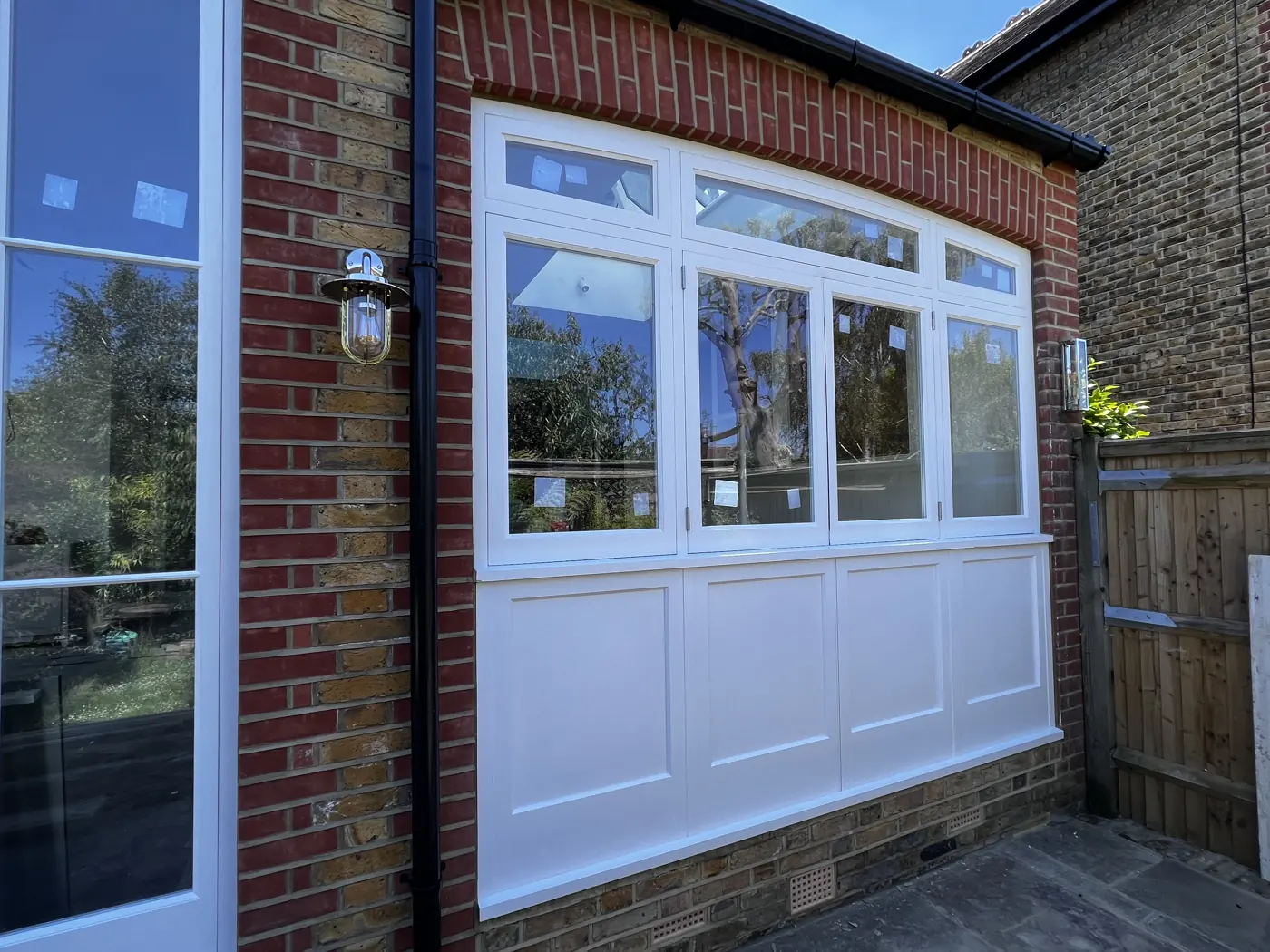
05Timber vs uPVC vs aluminium for period homes
| Hardwood timber sash | uPVC sash | Aluminium | |
|---|---|---|---|
| Appearance on a period house | Matches originals | Thicker profiles, often noticeable | Contemporary; suits extensions, not original elevations |
| Conservation area acceptance | Generally the expected choice | Often refused where controlled | Rarely acceptable on front elevations |
| Maintenance | Repainting every few years | Low | Low |
| Lifespan | Long when maintained | Shorter | Long |
Swipe the table sideways to see every column.
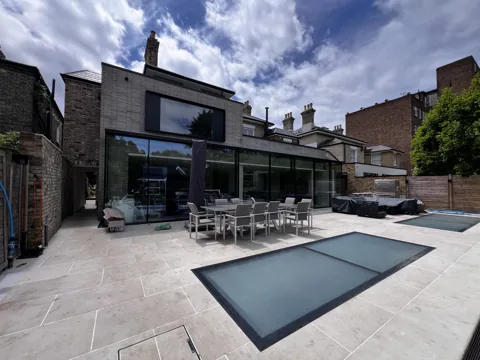
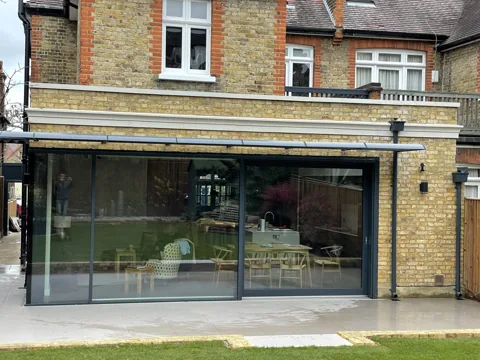
For new extensions, slim aluminium doors and windows are often the right choice, while the original house keeps timber sashes.
06Can I replace sash windows in a conservation area?
Replacing windows with ones of similar appearance is usually permitted development, even in a conservation area. However, many councils use Article 4 directions to bring front windows under planning control. Where one applies, you need planning permission, and replacements that match the original timber sash design are generally expected. In a listed building, listed building consent is needed for any replacement, and repair is normally preferred.
Conservation areas cover large parts of Richmond, Barnes, Chelsea, Fulham and Kingston. Read our conservation area guide before ordering.
07Do replacement windows need building regulations approval?
Yes. Since April 2002, replacement windows and doors have been “controlled fittings”. They must meet requirements for thermal performance, safety glazing, ventilation, fire and means of escape. Compliance is shown either by using an installer registered with a competent person scheme, who issues a certificate, or by applying to a building control body. The applicable route and the responsible registered entity should be confirmed in writing before work starts.
Keep the compliance certificate. Buyers’ solicitors ask for it when you sell.
08What affects the cost of new sash windows?
- Size and number of windows
- Glazing bar pattern (for example two-over-two or six-over-six)
- Single, slim double or standard double glazing
- Timber species and paint finish
- Ironmongery and locks
- Access, especially for upper floors and bay windows
- Making good of internal plaster and decoration
Prohaus provides an itemised quotation after a site visit. Sash replacement often works well as part of a wider home renovation.
09Frequently asked questions
Can timber sash windows be double glazed?
Yes. Many new timber sash windows are made with slim double-glazed units that keep the traditional look. Whether this is acceptable in a listed building or under an Article 4 direction depends on the council.
How long do timber sash windows last?
Well-made hardwood sash windows that are painted and maintained can last for many decades. Many original Victorian sashes are still working after more than a century.
Are sash windows draughty?
Old, unmaintained sashes often are. Draught-proofing or new windows with integrated seals greatly reduce draughts.
Should I replace all my windows at once?
Replacing all windows on one elevation at once keeps a consistent appearance and is usually more efficient. Rear windows can be done separately.
Can I replace sash windows with uPVC?
Outside conservation and Article 4 controls it may be possible, but on a period house it usually harms the appearance and value. In controlled areas it is often refused.
+Keep reading
Services and areas mentioned in this guide:
About Prohaus
Prohaus Ltd is a building company based in Kingston upon Thames, registered in 2015 and built on more than 20 years of residential building experience. We supply and install hardwood timber sash windows and aluminium glazing, and carry out period home renovations across Kingston, Surbiton, Richmond, Barnes, Putney, Fulham, Chelsea, Clapham and Wimbledon.
Talk to us about your windows
Send photos of the windows from inside and outside, the property address and rough sizes. We will advise on the right approach and provide a written, itemised quotation.

