

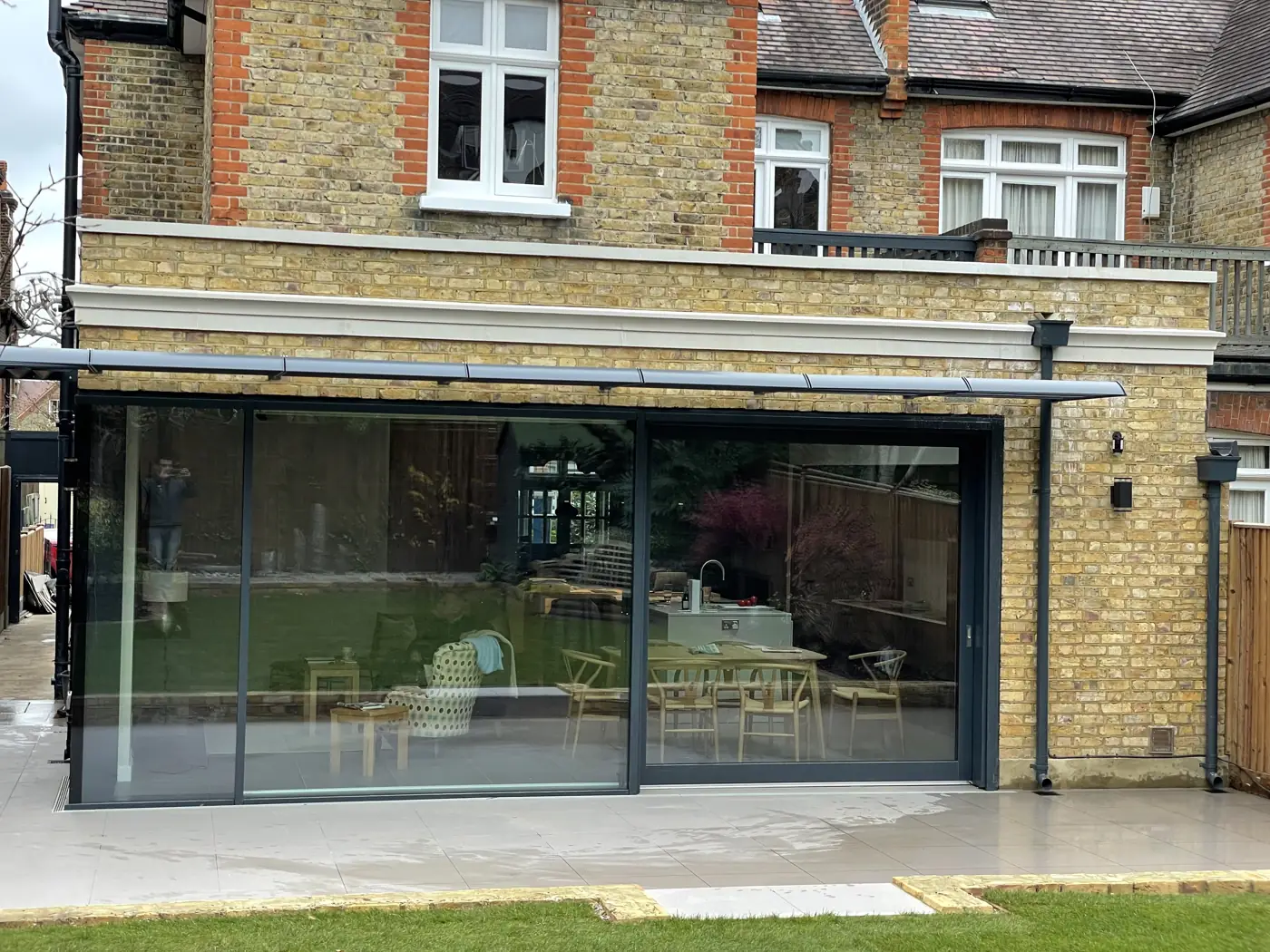
For large rear openings in a modern extension, aluminium usually wins: its strength allows slim frames and big glass panels, it needs little maintenance, and modern thermally broken systems insulate well. Timber suits period elevations and conservation areas, and is the natural choice for sash windows on the original house. uPVC is the most economical, but its thicker frames and limited spans suit large openings less well and it is often unacceptable on period fronts. Many south-west London homes use aluminium at the back and timber at the front.

Key takeaways
- Aluminium carries more glass and less frame than timber or uPVC at the same opening size.
- Thermally broken aluminium systems perform well on insulation.
- Timber sash windows are generally expected on period fronts in conservation areas.
- Choose the door system early, because it sets the opening size and the steel above it.
- New and replacement windows and doors must meet building regulations.
01Comparison at a glance
| Aluminium | Timber | uPVC | |
|---|---|---|---|
| Frame thickness | Slimmest | Medium | Thickest |
| Maximum panel size | Large | Medium | Smaller |
| Maintenance | Low; occasional cleaning | Repainting or re-oiling over time | Low |
| Insulation | Good with thermal break | Good | Good |
| Look on a period house front | Contemporary | Traditional | Often out of character |
| Conservation area acceptance | Usually rear only | Generally acceptable | Often refused where controlled |
| Colour options | Wide range of powder-coated colours | Any paint colour | Limited, foils available |
| Relative cost | Medium to high | Medium to high | Lowest |
Swipe the table sideways to see every column.
02Why aluminium suits extensions
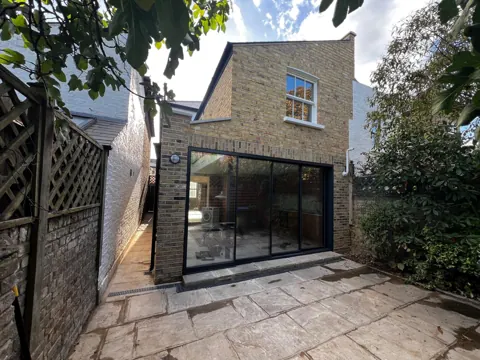
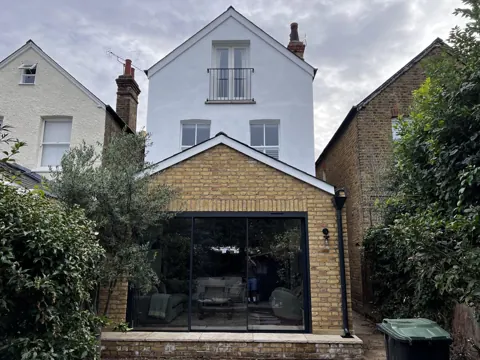
Aluminium is strong, so frames can be narrow while carrying large, heavy double or triple glazed panels. That is why most contemporary rear and side return extensions in south-west London use slim aluminium sliding doors. Our Barnfield Avenue extension in Kingston uses anthracite sliding doors onto a raised terrace, and our Staunton Road extension uses slim-framed sliding doors.
Sliding vs folding doors
| Sliding doors | Bi-fold doors | |
|---|---|---|
| View when closed | Wide panes, few frames | More frames across the view |
| Opening | Part of the width (unless pocketed) | Almost the full width |
| Everyday use | One panel slides open | A traffic door, or fold the whole set |
| Best for | Maximum glass and view all year | Full indoor-outdoor opening in summer |
Swipe the table sideways to see every column.
03When timber is the better choice
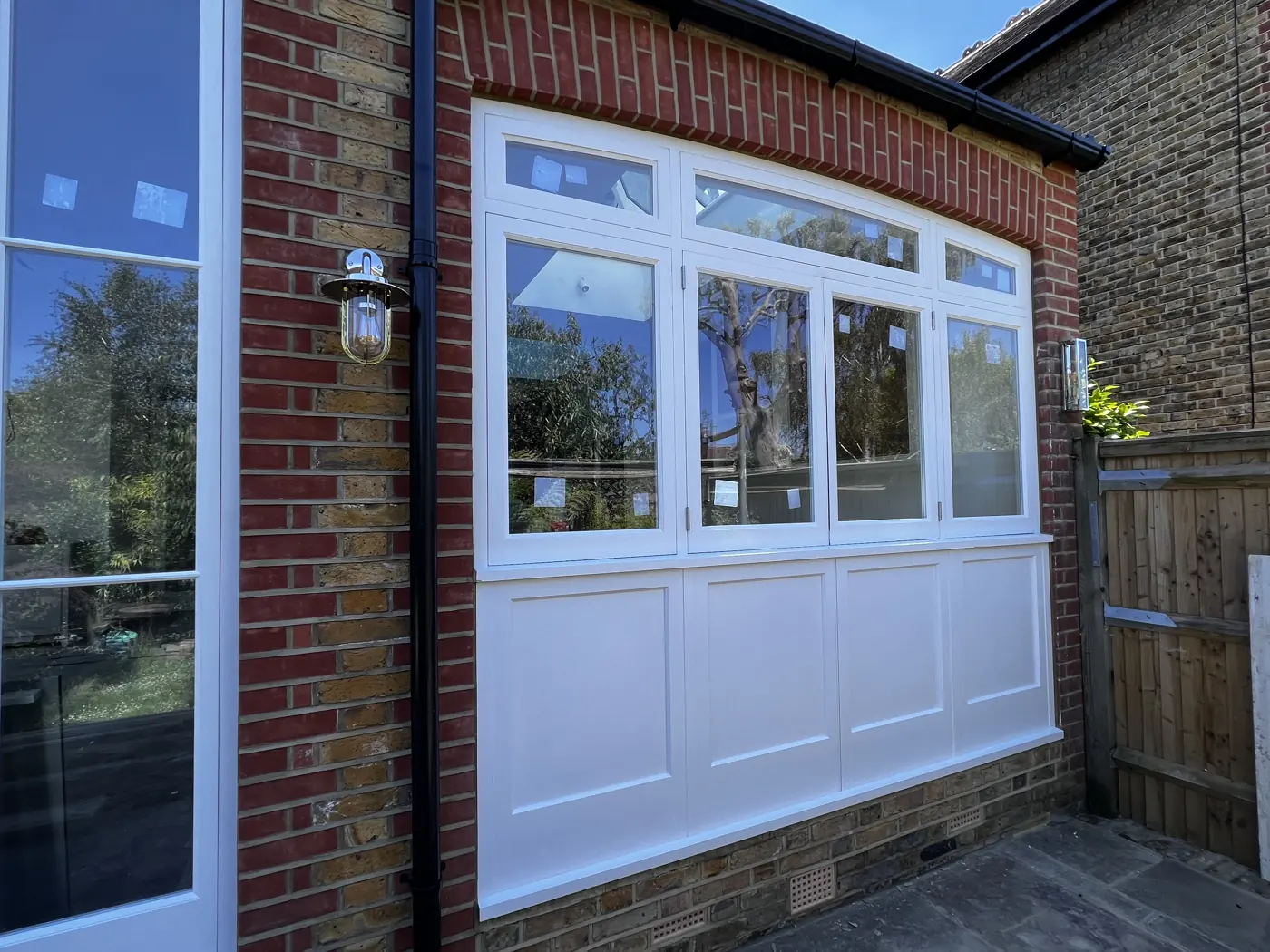
- Original elevations of period houses, especially fronts.
- Conservation areas and Article 4 streets, where councils expect timber. See our Article 4 guide.
- Sash windows, where timber matches original profiles. See our timber sash windows guide.
- Warmth and character, for example timber-framed glazing in a garden room.
04When uPVC can make sense
uPVC can work for standard-size windows on modern houses outside conservation areas where budget is the priority. For large openings and period homes, aluminium or timber usually performs and looks better.
05Building regulations for doors and windows
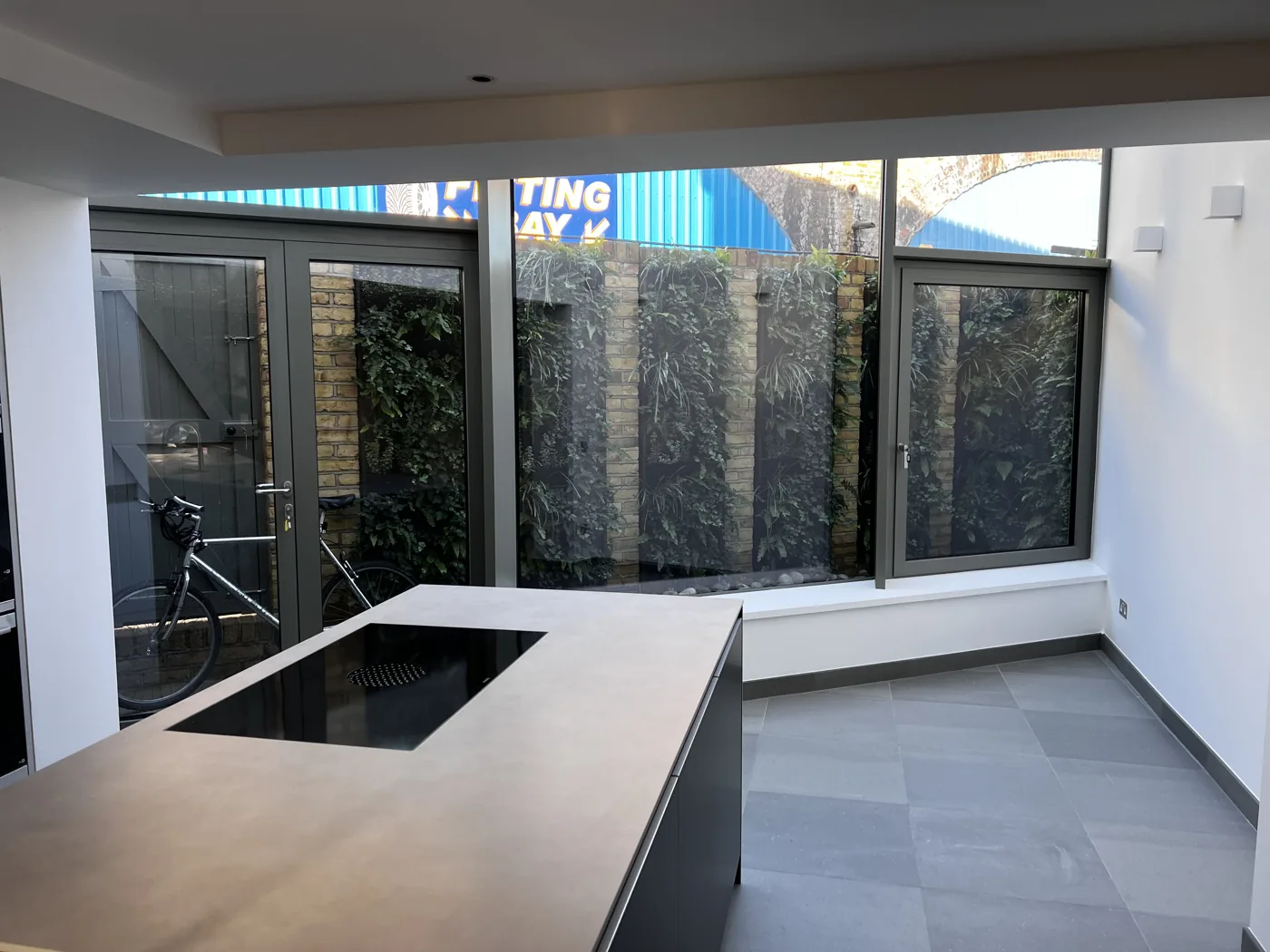
New and replacement windows and doors are controlled under building regulations for thermal performance, safety glazing, ventilation, fire and means of escape. Compliance is shown either through an installer registered with a competent person scheme or through a building control body. In an extension, the glazing is checked as part of the extension’s building regulations approval. Large areas of glazing also affect the energy calculations for the extension.
06Coordinating glazing with the build
The door system should be chosen before the structure is finalised, because it determines:
- the opening width and the steel beam above;
- the threshold and floor levels, including level access to the garden;
- drainage at the threshold;
- how the surrounding finishes meet the frame.
Prohaus supplies and installs aluminium doors, windows and architectural glass and coordinates them with the extension rather than fitting them around it afterwards. See also our rooflights and glass roofs guide.
07Frequently asked questions
Is aluminium better than uPVC for sliding doors?
For large sliding doors, aluminium usually allows slimmer frames, bigger panels and a longer service life. uPVC is cheaper but bulkier.
Are aluminium doors cold?
Modern aluminium systems use a thermal break between inner and outer frames, which greatly reduces heat loss and condensation.
Can I have aluminium windows in a conservation area?
On rear elevations and extensions they are often acceptable. On original fronts, councils usually expect timber, especially where an Article 4 direction applies.
What colour aluminium doors are most popular?
Dark grey (anthracite) and black are common choices for contemporary extensions, but powder coating allows almost any colour.
Should I choose sliding or bi-fold doors?
Sliding doors give a clearer view all year. Bi-folds open almost the full width. Think about how you use the garden.
+Keep reading
Services and areas mentioned in this guide:
About Prohaus
Prohaus Ltd is a building company based in Kingston upon Thames, registered in 2015 and built on more than 20 years of residential building experience. We carry out extensions, loft conversions, renovations, new builds, kitchens and bathrooms, glazing, bespoke joinery and garden offices across Kingston, Surbiton, Richmond, Barnes, Putney, Fulham, Chelsea, Clapham and Wimbledon. Every project runs under a written contract with a 1-year guarantee.
Talk to us about glazing
Send drawings or photos and approximate sizes of the opening. We will advise on the system and provide a written, itemised quotation.

